🎯 نواتج التعلم
بعد دراسة هذا الدرس ستكون قادراً على أن: - تعرّف المجال الكهربائي وتحسب شدته من القوة على شحنة الاختبار: E = F/q.
- ترسم خطوط المجال لشحنة نقطية موجبة وسالبة، وتحدد اتجاهها.
- تستنتج العلاقة E = k|q|/r² وتفسّر لماذا يضعف المجال بسرعة مع المسافة.
- تفسّر شكل خطوط المجال بين شحنتين مختلفتين، وبين شحنتين متشابهتين.
- تحدد النقطة التي يكون عندها المجال صفراً بين شحنتين متشابهتين.
- تصف المجال المنتظم بين لوحين متوازيين، وتحسبه بالعلاقة E = V/d.
- تحسب القوة والتسارع لشحنة داخل مجال كهربائي: F = qE و a = F/m.
- تستخدم المحاكاة التفاعلية للتحقق من النتائج بنفسك.
1) المجال الكهربائي: الفكرة الأساسية
كل شحنة كهربائية تغيّر الفضاء من حولها، فتصبح أي شحنة أخرى موضوعة فيه تتأثر بقوة. هذا التغيّر هو المجال الكهربائي. فإذا وضعنا شحنة اختبار صغيرة q₀ عند نقطة، فإن القوة F التي تؤثر فيها تحدد المجال عند تلك النقطة:
\[ \vec E = \frac{\vec F}{q_0} \]
وحدة المجال في النظام الدولي N/C، ويكافئها V/m. اتجاه المجال هو اتجاه القوة على شحنة اختبار موجبة، لذلك تتجه القوة على الشحنة السالبة عكس المجال. هذه النقطة تسبب أخطاء كثيرة، فانتبه إليها دائماً.
شرح إضافي: لماذا نستخدم شحنة اختبار موجبة؟ لأنه متفق عليه. المجال صفة للمكان نفسه، والشحنة الاختبارية تكشف هذه الصفة. ولأن شحنة الاختبار يجب أن تكون صغيرة حتى لا تغيّر المجال الذي نقيسه.
2) خطوط المجال: كيف نرسمها ونقرأها
خط المجال مسار متخيل يُرسم بحيث يكون المجال مماساً له عند كل نقطة، وسهمه يشير إلى اتجاه المجال. لرسم الخطوط قواعد أساسية:
- تبدأ الخطوط من الشحنة الموجبة وتنتهي عند الشحنة السالبة (أو تتجه بعيداً إن لم توجد سالبة).
- كثافة الخطوط تدل على قوة المجال: حيث تتقارب الخطوط يكون المجال أقوى.
- لا تتقاطع خطوط المجال أبداً، لأن المجال عند نقطة له اتجاه واحد فقط.
- تكون الخطوط عمودية على سطح الموصل عند الاتزان الكهروستاتيكي.
شرح إضافي: لماذا لا تتقاطع الخطوط؟ لو تقاطع خطان عند نقطة لكان للمجال عند هذه النقطة اتجاهان مختلفان في الوقت نفسه، وهذا محال. لذلك كل نقطة تمر بها خط واحد فقط.
3) المجال حول شحنة نقطية
إذا كانت الشحنة q صغيرة بما يكفي لتُعامل كنقطة، فإن المجال على بعد r منها يُعطى بالعلاقة:
\[ E = \frac{k\,|q|}{r^{2}}, \qquad k = 9\times10^{9}\ \text{N·m}^2/\text{C}^2 \]
المجال يتجه بعيداً عن الشحنة الموجبة ونحوها عند السالبة، ويكون متماثلاً في كل الاتجاهات، لذلك تكون خطوطه شعاعية.
شرح إضافي: لماذا يتناقص المجال بمربع المسافة؟ الخطوط تنتشر من الشحنة في كل الاتجاهات، فتتوزع على سطح كرة يزداد مساحتها مع مربع نصف القطر. فإذا ضاعفت المسافة صارت المساحة أربعة أمثال، فيقل المجال إلى الربع.
مثال محلول: شحنة q = 1 μC. أوجد المجال على بعد 1 m منها.
\[ E = \frac{9\times10^{9}\times 10^{-6}}{1^{2}} = 9000\ \text{N/C} \]
وإذا صار البعد 2 m فإن المجال يصبح 9000 / 4 = 2250 N/C، أي ربع القيمة السابقة.
4) تجربة 1: المجال حول شحنة نقطية
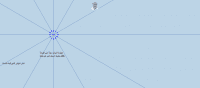
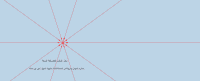
غيّر مقدار الشحنة وإشارتها، ثم اضغط داخل الشكل لوضع نقطة اختبار وقراءة المجال عندها. لاحظ اتجاه الخطوط مع تغيّر الإشارة، وكيف تتباعد الخطوط كلما ابتعدت عن الشحنة.
5) المجال بين شحنتين مختلفتين وشحنتين متشابهتين
عند وجود شحنتين معاً، يكون المجال المحصل عند أي نقطة هو المجموع الاتجاهي للمجالين الناتجين عن كل شحنة. لذلك تتغير الخطوط تماماً.
- شحنتان مختلفتان (+ و −): تخرج الخطوط من الموجبة وتدخل السالبة، وتكون كثيفة بينهما فيكون المجال قوياً هناك. وهذا نموذج الشحنات المتضادة كما في المكثف.
- شحنتان متشابهتان (+ و +): تتنافر الخطوط وتبتعد عن المنتصف، وعند المنتصف تماماً يكون المجال صفراً لأن المجالين متساويان ومتعاكسان.
شرح إضافي: كيف نجد نقطة المجال الصفري؟ عند المنتصف بين شحنتين متساويتين يبعد كل منهما المسافة نفسها r، فيكون لكل منهما مجال بالمقدار نفسه، واتجاهاهما متعاكسان. فيكون المحصل صفراً. هذه النقطة مهمة لأنها تحدد أين تتوازن القوى على شحنة اختبار.
6) المجال المنتظم بين لوحين متوازيين
إذا وضعنا لوحين معدنيين متوازيين وشحنّاهما بشحنتين متساويتين ومتعاكستين، فإن المجال بينهما يكون منتظماً: مقداره ثابت واتجاهه واحد، وخطوطه متوازية ومتساوية البعد.
\[ E = \frac{V}{d} \]
حيث V فرق الجهد بين اللوحين، و d المسافة بينهما. والمجال يتجه من اللوح الموجب إلى اللوح السالب.
شرح إضافي: لماذا يكون المجال منتظماً هنا؟ لأن مساهمات الشحنات المتوزعة على اللوحين تلغي بعضها عند النقاط البعيدة عن الأطراف، فيبقى المجال بين اللوحين ثابتاً تقريباً. وهذا يفسر لماذا تُستخدم المكثفات المستوية لتخزين الطاقة.
مثال محلول: فرق جهد 12 V بين لوحين المسافة بينهما 4 cm. أوجد المجال.
\[ E = \frac{12}{0.04} = 300\ \text{V/m} \]
7) القوة والتسارع داخل المجال
الشحنة الموضوعة في مجال تتأثر بقوة F = qE، فإذا كانت حرة الحركة فإنها تتسارع بالعلاقة a = F/m. إشارة الشحنة تحدد الاتجاه: الشحنة الموجبة تتحرك مع المجال، والسالبة عكسه.
مثال محلول: شحنة 2 μC موضوعة في مجال منتظم 500 N/C. أوجد القوة.
\[ F = qE = 2\times10^{-6}\times500 = 10^{-3}\ \text{N} \]
8) تطبيقات عملية
- المرشحات الكهروستاتيكية: تشحن الجسيمات الدقيقة من الدخان والغبار ثم تجمعها على ألواح مشحونة.
- الطلاء الكهربائي: توجيه الأيونات المشحونة نحو سطح معدني بالمجال.
- الطباعة بالليزر والنسخ: تجذب الشحنات مسحوق الحبر إلى المواضع المطلوبة على الورق.
- المكثفات: تخزن الطاقة بين لوحين يكون بينهما مجال منتظم.
- أنابيب الأشعة والمسرعات: تتسارع فيها الجسيمات المشحونة بسبب المجال الكهربائي.
9) أخطاء شائعة
- الخلط بين اتجاه المجال واتجاه القوة على شحنة سالبة: القوة على السالبة معاكسة للمجال.
- اعتبار خطوط المجال مساراً تسلكه الشحنة دائماً: الخط يحدد اتجاه المجال، والشحنة قد تسلك مساراً آخر إن كانت لها سرعة ابتدائية.
- جمع المجالات بالمقدار دون الاتجاه: المجالات متجهات، فيجب جمعها بالاتجاه.
- نسيان أن المجال يتناقص بمربع المسافة: نصف المسافة يعني أربعة أمثال المجال.
10) ملخص الدرس
- المجال عند نقطة: E = F/q₀، واتجاهه اتجاه القوة على شحنة موجبة.
- المجال حول شحنة نقطية: E = k|q|/r²، شعاعي ويضعف مع مربع المسافة.
- خطوط المجال: تبدأ من الموجب وتنتهي بالسالب، ولا تتقاطع، وكثافتها تدل على قوة المجال.
- بين لوحين متوازيين: E = V/d، والمجال منتظم.
- القوة والتسارع: F = qE و a = F/m.
🎯 Learning Outcomes
After studying this lesson, you will be able to: - Define the electric field and calculate its magnitude from the force on a test charge: E = F/q.
- Draw the field lines of positive and negative point charges and determine their direction.
- Derive E = k|q|/r² and explain why the field weakens quickly with distance.
- Explain the pattern of field lines between opposite charges and between like charges.
- Locate the point where the field is zero between two like charges.
- Describe the uniform field between parallel plates and calculate it with E = V/d.
- Calculate the force and acceleration of a charge in an electric field: F = qE and a = F/m.
- Use the interactive simulations to check the results yourself.
1) The electric field: the core idea
Every electric charge changes the space around it, so any other charge placed there feels a force. This change is the electric field. If we place a small test charge q₀ at a point, the force F on it defines the field at that point:
\[ \vec E = \frac{\vec F}{q_0} \]
The SI unit of the field is N/C, equivalent to V/m. The direction of the field is the direction of the force on a positive test charge, so the force on a negative charge is opposite to the field. This point causes many mistakes, so watch for it.
Extra explanation: why a positive test charge? It is the agreed convention. The field is a property of the place itself, and the test charge reveals it. The test charge must also be small so that it does not disturb the field being measured.
2) Field lines: how to draw and read them
A field line is an imagined path drawn so that the field is tangent to it at every point; its arrow shows the field direction. Basic rules:
- Lines start on positive charges and end on negative charges (or go to infinity if there is no negative charge).
- The density of lines shows the strength of the field: where lines are close together, the field is stronger.
- Field lines never cross, because the field at a point has only one direction.
- Lines are perpendicular to the surface of a conductor in electrostatic equilibrium.
Extra explanation: why don’t lines cross? If two lines crossed at a point, the field there would have two different directions at the same time, which is impossible. So each point lies on exactly one line.
3) The field around a point charge
If the charge q is small enough to be treated as a point, the field at distance r is:
\[ E = \frac{k\,|q|}{r^{2}}, \qquad k = 9\times10^{9}\ \text{N·m}^2/\text{C}^2 \]
The field points away from a positive charge and toward a negative one, and it is the same in all directions, so its lines are radial.
Extra explanation: why does the field fall with the square of the distance? Field lines spread out from the charge in all directions, so they cover the surface of a sphere whose area grows with the square of the radius. Doubling the distance makes the area four times larger, so the field becomes one quarter.
Worked example: A charge q = 1 μC. Find the field at 1 m.
\[ E = \frac{9\times10^{9}\times 10^{-6}}{1^{2}} = 9000\ \text{N/C} \]
At 2 m the field becomes 9000 / 4 = 2250 N/C, one quarter of the previous value.
4) Experiment 1: the field around a point charge
Change the magnitude and the sign of the charge, then click inside the figure to place a test point and read the field there. Notice how the direction of the lines changes with the sign, and how the lines spread apart as you move away from the charge.
5) The field between opposite and like charges
With two charges, the field at any point is the vector sum of the fields produced by each charge, so the pattern of the lines changes completely.
- Opposite charges (+ and −): lines leave the positive charge and enter the negative one; they are dense between them, so the field is strong there. This is the model of the charges in a capacitor.
- Like charges (+ and +): lines repel and bend away from the midpoint; at the exact midpoint the field is zero because the two fields are equal and opposite.
Extra explanation: how do we find the zero-field point? At the midpoint between two equal charges, each charge is at the same distance r, so each produces a field of the same magnitude, and their directions are opposite. The total is zero. This point matters because it is where the forces on a test charge balance.
6) The uniform field between parallel plates
If two parallel metal plates are charged with equal and opposite charges, the field between them is uniform: its magnitude and direction are constant, and its lines are parallel and evenly spaced.
\[ E = \frac{V}{d} \]
Where V is the voltage between the plates and d is the distance between them. The field points from the positive plate to the negative plate.
Extra explanation: why is the field uniform here? Away from the edges, the contributions of the charges spread over the two plates cancel each other’s variations, so the field between the plates stays almost constant. This is why flat capacitors are used to store energy.
Worked example: A voltage of 12 V across plates 4 cm apart. Find the field.
\[ E = \frac{12}{0.04} = 300\ \text{V/m} \]
7) Force and acceleration in a field
A charge placed in a field feels the force F = qE, and if it is free to move it accelerates with a = F/m. The sign of the charge gives the direction: a positive charge moves with the field, a negative one against it.
Worked example: A 2 μC charge is placed in a uniform field of 500 N/C. Find the force.
\[ F = qE = 2\times10^{-6}\times500 = 10^{-3}\ \text{N} \]
8) Practical applications
- Electrostatic precipitators: charge fine smoke and dust particles, then collect them on charged plates.
- Electroplating: the field directs charged ions toward a metal surface.
- Laser printing and copying: charges attract toner particles to the required spots on paper.
- Capacitors: store energy between two plates with a uniform field.
- Cathode-ray tubes and accelerators: charged particles are accelerated by the electric field.
9) Common mistakes
- Confusing the field direction with the force direction on a negative charge: the force on a negative charge is opposite to the field.
- Treating field lines as the path the charge always follows: the line gives the field direction; a charge with an initial velocity may follow another path.
- Adding fields by magnitude only: fields are vectors, so they must be added with their directions.
- Forgetting that the field falls with the square of the distance: half the distance means four times the field.
10) Lesson summary
- The field at a point: E = F/q₀, in the direction of the force on a positive charge.
- Around a point charge: E = k|q|/r², radial, weakening with the square of the distance.
- Field lines: start on positive charges, end on negative ones, never cross, and their density shows the strength.
- Between parallel plates: E = V/d, a uniform field.
- Force and acceleration: F = qE and a = F/m.